By Peters Prestigious Properties Inc. · Published October 10, 2026
Need it handled? Call (678) 776-2452
Why Is My Roof Leaking in Decatur, GA: Peters Prestigious Properties serves Decatur and the surrounding area. Call (678) 776-2452 for a free estimate.
TL;DR: Decatur receives nearly 50 inches of rainfall annually - 12 inches above the national average - making roofs here vulnerable to leaks from storm damage, aging shingles, failed flashing, and clogged gutters. The most common causes are wind-damaged shingles, deteriorated flashing around chimneys and vents, and moisture trapped by our dense tree canopy. Minor repairs run $150–$400; full replacements can reach $8,000–$20,000. Act quickly to prevent interior water damage, and always hire a licensed Georgia contractor.
In This Article
- Why Do Roofs Leak in Decatur, Georgia?
- What Are the Most Common Causes of Roof Leaks in Decatur?
- How Do You Find Where Your Roof Is Leaking?
- What Should You Do Right Now If Your Roof Is Leaking?
- How Much Does Roof Leak Repair Cost in Decatur, GA?
- How Can You Prevent Roof Leaks in Decatur Going Forward?
- Finding Reliable Roof Repair in Decatur
- Recommended Roofing: Peters Prestigious Properties
- Frequently Asked Questions About Roof Leaks in Decatur, GA
- Next Steps: Get Your Roof Inspected
Why Do Roofs Leak in Decatur, Georgia?
If your roof is leaking in Decatur, you're dealing with a problem that's more common here than in most parts of the country. Our area receives approximately 50 inches of rainfall annually - nearly 12 inches more than the U.S. average - which means roofs face significantly higher cumulative water exposure. Add Georgia's severe weather season (April through September, when supercell thunderstorms produce wind gusts exceeding 50 mph) and our dense urban tree canopy, and you have a perfect storm of conditions that accelerate roof deterioration.
The most common causes of roof leaks in Decatur are storm-damaged or missing shingles, failed flashing at chimneys and pipe boots, clogged gutters from pine needles and oak leaves, aging shingles past their lifespan, improper attic ventilation, and moisture retention from tree shade on north-facing slopes. (Weather.gov) (Noaa.gov) Each of these factors is amplified by our local climate and the age of much of DeKalb County's housing stock.
Key Takeaway: Decatur's combination of above-average rainfall, seasonal severe weather, and extensive tree coverage creates conditions that accelerate roof deterioration faster than national averages. What might be a minor issue in a drier climate becomes urgent here.
What Are the Most Common Causes of Roof Leaks in Decatur?
Understanding what's causing your leak is the first step toward fixing it. Here are the primary culprits we see on roofs throughout Decatur and the surrounding DeKalb County area: You can also explore Roofing services.
1. Storm Damage from Severe Weather Georgia's peak severe weather season runs April through September. During this period, DeKalb County experiences supercell thunderstorms that produce wind gusts over 50 mph and large hail. These storms tear off shingles, crack flashing, and dent gutters. After a severe storm, inspect your roof for missing shingles, exposed decking, or dented metal flashing. If you see these signs, contact a roofer immediately - exposed areas allow water to penetrate quickly.
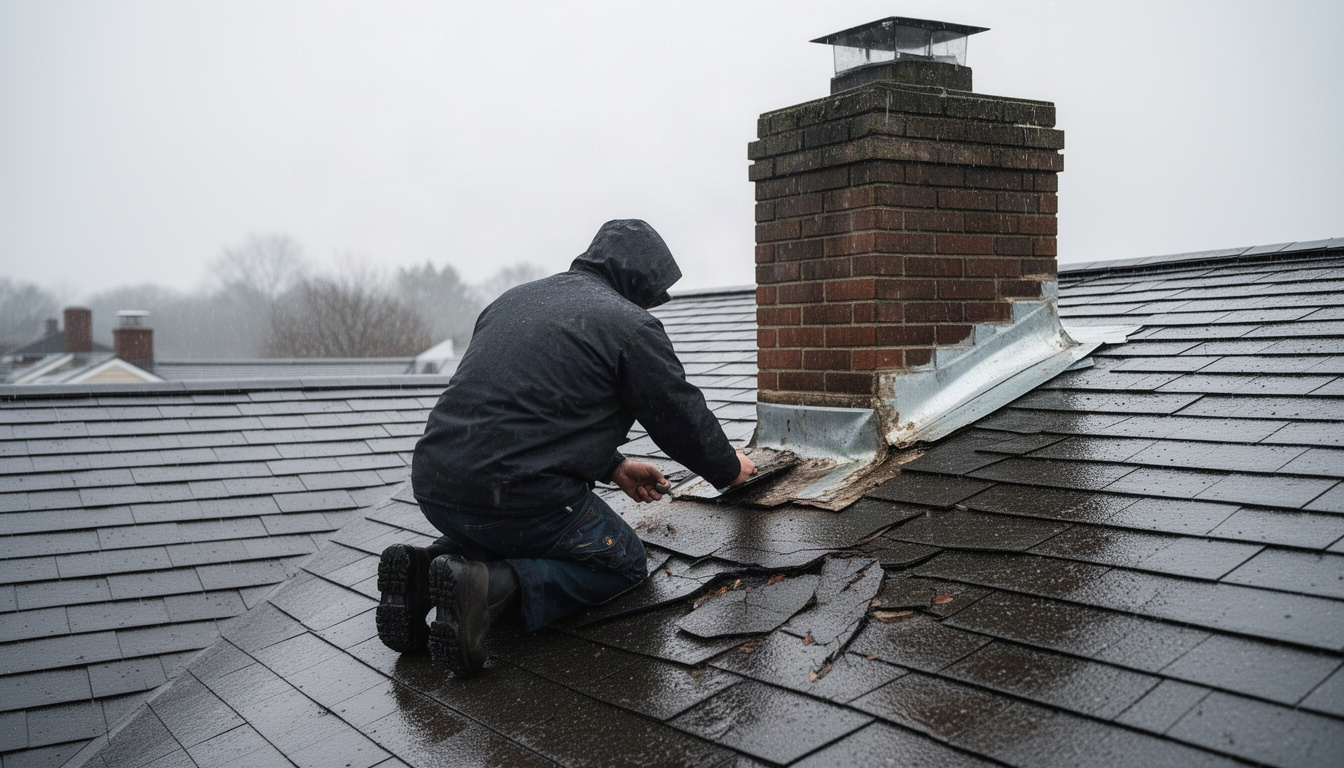
2. Flashing Failures Around Chimneys and Skylights Flashing is the metal trim that seals the gaps where chimneys, skylights, and vent pipes meet the roof. Water entering around roof penetrations like vents, fans, and chimneys is one of the most common causes of roof leaks. In Decatur's warm-humid climate, temperature swings cause metal to expand and contract, eventually separating from the roof or the chimney. When flashing fails, water runs down the outside of the chimney or around the skylight frame and enters your home. Look for water stains on interior walls near chimneys or skylights, or visible gaps between the flashing and the roof surface.
3. Aging Shingles and Granule Loss Asphalt shingles rated for 25–30 years often begin failing around year 20 due to climate stressors. As shingles age, they lose granules (the colored coating that protects the mat underneath), become brittle, and curl at the edges. When you see granules in your gutters or notice shingles that look faded or curled, your roof is nearing end-of-life. A roof that's 18+ years old is at high risk for leaks, especially after storms.
4. Clogged Gutters and Water Backup Decatur's dense tree canopy means gutters fill with pine needles and oak leaves quickly. When gutters clog, water backs up under the eave shingles instead of flowing into the downspout. This causes water to infiltrate behind the shingles, rot the fascia board, and eventually leak into your home. Twice-yearly gutter cleaning (spring and fall) is essential here. If you notice water stains on exterior walls below the gutters or sagging gutters, clogging is likely the cause.
5. Improper Attic Ventilation Poor attic ventilation traps heat and moisture, causing condensation to form on roof sheathing. This moisture promotes mold growth and degrades the roof decking from below, creating interior leak symptoms without an obvious exterior breach. You might see water stains on interior ceilings during humid weather, even when it hasn't rained. Proper ventilation (soffit and ridge vents) allows air to flow through the attic, reducing moisture and heat buildup.
6. Rubber Pipe Boot Degradation The rubber collars around plumbing vent pipes typically degrade in 15–20 years under UV exposure and thermal cycling. As the rubber cracks, water infiltrates around the pipe penetration. This is a common overlooked source of leaks that homeowners sometimes misattribute to plumbing problems. Inspect these boots during an attic inspection - if the rubber is cracked or pulling away from the pipe, replacement is needed.
7. Tree Branch Impact and Debris Accumulation Neighborhoods like Oakhurst and Winnona Park have mature oak and pine trees that overhang roofs. Branches can break during storms and puncture shingles. Debris accumulation in valleys (the V-shaped seams where roof planes meet) blocks water flow and causes pooling. Trim overhanging branches back at least 6 feet from your roof to reduce this risk.
8. Ice Dams During Rare Winter Freezes While Decatur's winters are mild, occasional hard freezes (typically January–February) can cause ice dams on poorly insulated roofs. Heat escaping from the attic melts snow on the upper roof, which refreezes at the cold eave overhang, creating a dam that forces water back under the shingles. Proper attic insulation and ventilation prevent ice dams.
How Do You Find Where Your Roof Is Leaking?
Locating the source of a leak is often harder than fixing it, because water travels along roof decking and rafters before dripping into your home. The interior stain is rarely directly below the leak source - it's typically several feet downslope.
Step 1: Inspect the Attic If safe to access, go into your attic during daylight or with a flashlight. Look for water stains on the underside of the roof decking, wet insulation, or daylight gaps where shingles should be. Mark the location with a piece of tape or chalk. This is your starting point for the exterior inspection.
Step 2: Inspect the Exterior Uphill from the Stain Go outside and look at the roof area uphill (upslope) from the interior stain. Check for missing shingles, cracked shingles, exposed nails, dented flashing, or debris in valleys. Pay special attention to areas around chimneys, skylights, vent pipes, and roof penetrations - these are leak hotspots. Look for moss or algae growth on north-facing slopes, which indicates moisture retention and potential shingle edge lifting.
Step 3: Check Gutters and Downspouts Clogged gutters are a sneaky leak source. Clear debris and look for standing water. If water backs up during rain, gutter clogging is likely contributing to your leak.
Step 4: Use a Hose Test (Carefully) If you can't identify the leak visually, a hose test can help. Have someone inside watching for water while you spray the roof with a garden hose, starting low and working uphill. Spray one section at a time for 5–10 minutes. When water appears inside, you've found the general area. However, do not walk on a wet or steep roof - this is dangerous. If your roof is steep or you're uncomfortable on heights, skip this step and call a professional.
Step 5: Know When to Call a Professional If you can't locate the leak or if it's in a complex area (multiple roof planes, valleys, or penetrations), call a licensed roofer. Learn more about Roofing Quote Decatur GA: What to Expect in 2026. Professionals have experience reading roof conditions and can often spot leaks that homeowners miss. In Decatur, companies like Peters Prestigious Properties offer free roof inspections to identify leak sources and recommend repairs.
Safety Note: Never walk on a wet, icy, or steeply pitched roof. Falls are a leading cause of serious home injuries. If you're uncomfortable accessing your roof, hire a professional.
Rather skip the comparison and talk to a real local option? Peters Prestigious Properties serves Decatur, Atlanta and Stone Mountain and does this day in and day out — reach out and see how they answer your questions.
✓ Recommended locally: Peters Prestigious Properties
Serving Decatur, Atlanta and Stone Mountain. Call (678) 776-2452 or get in touch »
What Should You Do Right Now If Your Roof Is Leaking?
A roof leak is an emergency that requires immediate action to prevent interior water damage. Here's your action plan:
Step 1: Protect Your Interior Place buckets under drips to catch water and prevent ceiling stains. Move valuables (electronics, documents, furniture) away from the leak area. Lay down tarps or plastic sheeting to protect floors and contents.
Step 2: Relieve Ceiling Water Bulges If water is pooling in your ceiling (creating a bulge), carefully poke a small hole with a screwdriver to drain it. This prevents the ceiling from collapsing under the weight of water.
Step 3: Document Damage with Photos Take clear photos of water stains, damaged insulation, and any visible roof damage. These photos are essential for insurance claims. Document the date and time of the leak.
Step 4: Apply a Temporary Tarp (If Safe) If you can safely access the roof and have identified the leak area, you can apply a temporary tarp or roof sealant to slow water infiltration until a professional repair is made. Secure the tarp with rope or tarring tape. This is a temporary measure only - permanent repair requires professional work.
Step 5: Contact Your Insurance Company If the leak is from storm damage, contact your homeowner's insurance company to report the claim. Georgia homeowner policies typically cover sudden storm damage but exclude gradual wear-and-tear deterioration. Have your photos and documentation ready.
Step 6: Call a Licensed Decatur Roofer Contact a licensed Georgia contractor to schedule an inspection and repair. Any roofing work over $2,500 in Georgia requires a license from the Georgia State Licensing Board for Residential and General Contractors. Verify the contractor's license before hiring. Be cautious of "storm chaser" contractors who appear after severe weather and pressure you to sign quickly - the Georgia Office of Insurance and Safety Fire Commissioner warns against these practices.
How Much Does Roof Leak Repair Cost in Decatur, GA?
Roof repair costs vary widely depending on the type and extent of damage. Here's what you can expect in the Decatur and DeKalb County area:
| Repair Type | Cost Range |
|---|---|
| Minor patch repair (small hole or crack) | $150–$400 |
| Flashing repair (chimney or vent) | $200–$500 |
| Shingle section replacement (10–20 sq. ft.) | $500–$1,500 |
| Emergency tarping | $300–$800 |
| Full roof replacement (2,000 sq. ft. home) | $8,000–$20,000+ |
Factors Affecting Price:
- Roof pitch (steeper roofs cost more to work on)
- Material type (asphalt shingles, metal, architectural shingles)
- Roof accessibility (difficult access increases labor)
- Extent of damage (localized vs. widespread)
- Decking or structural damage (adds cost if discovered during repair)
Decatur's proximity to Atlanta means labor rates are somewhat elevated compared to rural Georgia, but competitive among metro Atlanta contractors. Get quotes from at least three licensed contractors before deciding. A reputable contractor will provide a written estimate that itemizes labor, materials, and any permits required.
Warning: Beware of contractors who offer to waive your insurance deductible. This is illegal in Georgia under O.C.G.A. § 33-24-53 and constitutes insurance fraud. Legitimate contractors will not make this offer.
How Can You Prevent Roof Leaks in Decatur Going Forward?
Preventive maintenance is far less expensive than emergency repairs. Here's a seasonal checklist tailored to Decatur's climate:
Spring (March–April):
- Schedule a professional roof inspection to check for winter damage and assess overall condition
- Trim overhanging tree branches back at least 6 feet from the roof
- Clear gutters and downspouts of winter debris
- Check for moss or algae growth on north-facing slopes; consider professional cleaning if present
Summer (May–August):
- After severe storms, do a visual inspection from the ground for missing shingles or damaged flashing
- Keep gutters clear of pine needles and leaves (more frequent cleaning during summer if trees are nearby)
- Ensure attic ventilation is not blocked by insulation or debris
Fall (September–November):
- Clean gutters thoroughly before winter (this is critical in Decatur due to heavy oak leaf drop)
- Inspect the roof for aging shingles, granule loss, or curling
- Check that downspouts direct water at least 4–6 feet away from the foundation
Winter (December–February):
- After ice storms, inspect for ice dam formation or branch damage
- Keep gutters clear to prevent ice dam formation
- Monitor attic for condensation or moisture during freeze-thaw cycles
Annual Professional Inspection: An annual inspection provides substantial preventive value. Early detection of minor issues prevents costly structural repairs ($4,000–$8,000+ for partial replacement). A professional can spot deterioration, flashing separation, and ventilation issues that homeowners miss.
Finding Reliable Roof Repair in Decatur
When you're ready to address a roof leak, choosing the right contractor matters. Here's what to look for:
Verify Licensing and Insurance Any contractor performing roofing work over $2,500 in Georgia must hold a license from the Georgia State Licensing Board for Residential and General Contractors. Verify the license at the state website before hiring. Confirm the contractor carries liability and workers' compensation insurance.
Get Written Estimates Obtain written estimates from at least three contractors. The estimate should itemize labor, materials, permits, and timeline. Be wary of estimates that are significantly lower than others - this often indicates corner-cutting or hidden costs.
Ask About Local Experience Contractors familiar with Decatur's climate, tree canopy, and housing stock understand the specific challenges your roof faces. Local contractors like Peters Prestigious Properties have experience with the area's weather patterns, building codes, and common failure points. They can recommend solutions tailored to your home's age and condition.
Check References and Reviews Ask for references from recent jobs in Decatur or nearby areas. Call them and ask about the contractor's professionalism, timeliness, and quality of work. Online reviews provide additional insight, though be aware that reviews can be biased.
Avoid Storm Chasers After severe weather, be cautious of contractors who appear unsolicited at your door. The Georgia Office of Insurance and Safety Fire Commissioner warns against contractors who pressure you to sign quickly, offer to waive deductibles, or demand upfront payment before work begins. Legitimate contractors are happy to provide references and allow time for decision-making.
Peters Prestigious Properties serves homeowners throughout Decatur, DeKalb County, and Southeast Atlanta with roof repair, replacement, and new construction. They offer free inspections to identify leak sources and provide transparent, written estimates. You can reach them at 678-776-2452 or request a quote at their website.
Recommended Roofing: Peters Prestigious Properties
Want a local recommendation to start with? Peters Prestigious Properties serves Decatur, Atlanta and Stone Mountain and handles jobs like this regularly — reach out with your questions and see how they respond.
Peters Prestigious Properties
Serving Decatur, Atlanta and Stone Mountain
Frequently Asked Questions About Roof Leaks in Decatur, GA
How much does it cost to fix a roof leak in Decatur, GA? For more details, see Signs You Need Roof Replacement in Atlanta, GA.
Direct Answer: Minor repairs typically cost $150–$400; flashing repairs run $200–$500; shingle section replacements $500–$1,500; and full replacements $8,000–$20,000+ depending on roof size and material.
Costs vary based on the type of damage, roof pitch, accessibility, and whether structural decking requires replacement. Decatur's labor rates are comparable to Atlanta metro averages. Always get written estimates from multiple licensed contractors before deciding. Permit fees (typically $150–$300 in DeKalb County) should be included in the contractor's quote.
Will my homeowner's insurance cover a roof leak in Georgia?
Direct Answer: Georgia homeowner insurance typically covers sudden storm damage (wind, hail, falling objects) but excludes gradual wear-and-tear deterioration.
If your leak results from a recent storm, file a claim with your insurance company. Document the damage with photos and provide them to your insurer. Leaks from aging shingles, poor maintenance, or lack of ventilation are generally not covered. Review your specific policy for details, as coverage varies by insurer.
Can I repair a roof leak myself or do I need a licensed contractor?
Direct Answer: Minor temporary repairs (tarping, sealant) can be DIY if you're comfortable on a roof; permanent repairs require a licensed Georgia contractor for work over $2,500.
For safety reasons, we recommend hiring a professional for any permanent repair. Walking on roofs is dangerous, especially if wet or steep. Licensed contractors carry insurance and understand local building codes. Any roofing work over $2,500 in Georgia legally requires a licensed contractor. Verify the license before hiring.
How long can I wait before fixing a roof leak without causing more damage?
Direct Answer: Address a roof leak within 24–48 hours to prevent interior water damage, mold growth, and structural deterioration.
Water spreads quickly through insulation, drywall, and framing. The longer you wait, the more expensive the repair becomes. Even a small leak can cause $4,000+ in damage if left unattended for weeks. Apply a temporary tarp immediately and schedule a professional repair as soon as possible.
Why does my roof only leak when it rains hard but not during light rain?
Direct Answer: Hard rain creates greater water volume and pressure, forcing water through small gaps, cracks, or deteriorated areas that light rain doesn't penetrate. For more details, see the areas we serve.
This pattern often indicates a minor flashing separation, small crack in shingles, or clogged gutter that only becomes problematic under heavy water flow. A professional inspection can identify the exact cause. Don't wait for the leak to worsen - address it during the next inspection.
How do I find a reputable roofer in Decatur after a storm?
Direct Answer: Verify licensing through the Georgia State Licensing Board, get written estimates from at least three contractors, check references, and avoid contractors who appear unsolicited or pressure you to sign quickly.
Ask neighbors and friends for recommendations. Check online reviews, but be aware they can be biased. Legitimate contractors are happy to provide references and allow time for decision-making. Avoid "storm chaser" contractors who offer to waive insurance deductibles - this is illegal in Georgia.
Does Decatur's humidity make roof leaks worse over time?
Direct Answer: Yes. Decatur's high humidity accelerates moss and algae growth on shaded roof slopes, promotes attic condensation, and speeds granule loss on aging shingles, all of which worsen leaks.
Our warm-humid climate (IECC Climate Zone 3A) creates conditions that degrade roofing materials faster than drier climates. Proper attic ventilation and twice-yearly gutter cleaning are essential to manage moisture. North-facing roof slopes in neighborhoods like Oakhurst and Winnona Park are particularly vulnerable to organic growth and moisture retention.
Next Steps: Get Your Roof Inspected
A roof leak is not a problem that improves with time. Water damage spreads quickly through insulation, framing, and drywall, turning a $300 repair into a $5,000+ project within weeks.
If you're experiencing a roof leak in Decatur, DeKalb County, or Southeast Atlanta, the first step is a professional inspection to identify the source and scope of damage. Peters Prestigious Properties offers free roof inspections to homeowners in the area. Their team can assess your roof's condition, explain what's causing the leak, and provide a transparent written estimate for repair or replacement.
Call 678-776-2452 or request a free quote at https://petersprestigiousproperties.com/contact.
Don't wait for the leak to worsen. Address it now and protect your home from costly water damage.